Στα σύγχρονα βιομηχανικά συστήματα, τα δίκτυα ελέγχου υγρών λειτουργούν σαν το κυκλοφορικό σύστημα του ανθρώπινου σώματος, με τις βαλβίδες ελέγχου να λειτουργούν ως κρίσιμοι κόμβοι που διατηρούν την πίεση, το ρυθμό ροής,και ισορροπία θερμοκρασίαςΩστόσο, όταν οι βιομηχανικές διεργασίες απαιτούν εξαιρετική ακρίβεια, όπως στην τελική χημική επεξεργασία, την υδρογόνωση υψηλής πίεσης, η ατμοσφαιρική ατμοσφαιρική ατμοσφαιρική ατμοσφαιρική ατμοσφαιρική ατμοσφαιρική ατμοσφαιρική ατμοσφαιρική ατμοσφαιρική ατμοσφαιρική ατμοσφαιρικήή κατασκευής ημιαγωγών, οι βασικοί μηχανισμοί ανατροφοδότησης των ενεργοποιητών συχνά δεν είναι επαρκείςΠοια αόρατη δύναμη διορθώνει μικροσκοπικές αποκλίσεις βαλβίδων μέσα σε μικροδευτερόλεπτα για να κρατήσει τις γραμμές παραγωγής να λειτουργούν με μέγιστη απόδοση;
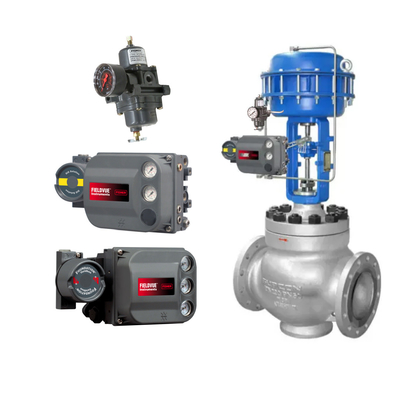
Ο διαμορφωτής βαλβίδων λειτουργεί ως ο άγνωστος διοικητής πίσω από αυτό το μπαλέτο ακρίβειας.η συσκευή αυτή παρακολουθεί συνεχώς και αντισταθμίζει δυναμικά τις μεταβολές πίεσηςΗ εξέταση αυτή διερευνά τις βασικές αρχές, την τεχνολογική εξέλιξη, τηνκαι βιομηχανική σημασία αυτών των οργάνων ακριβείας στη βιομηχανία 4.0 εποχή.
Ι. Ο ουσιαστικός ρόλος των θέσεων: γιατί είναι απαραίτητες
Σε ένα ιδανικό μοντέλο ελέγχου, ένα σήμα 4-20mA θα μεταφράζεται γραμμικά σε ακριβή θέση βαλβίδας.και διακυμάνσεις της τροφοδοσίας αέρα, όλα τα οποία προκαλούν υστερέση και παθολογικές επιδράσεις που υποβαθμίζουν τις επιδόσεις.
Οι τοποθετητές χρησιμεύουν ως αδιάκοπα συστήματα διόρθωσης, ρυθμίζοντας την πίεση του αέρα του ενεργοποιητή για να διατηρήσει την τέλεια ευθυγράμμιση μεταξύ των σημάτων ελέγχου και της θέσης της βαλβίδας.ρυθμίζουν ταχέως τα πνευματικά κυκλώματα, είτε αυξάνοντας την πίεση του ενεργοποιητή είτε εξατμίζοντας την πίεση του, για να αναγκάσουν το στέλεχος της βαλβίδας στην καθορισμένη θέση.Για εφαρμογές που απαιτούν υψηλή ακρίβεια, γρήγορη απόκριση και μηδενική ανοχή για υστερέση, οι συσκευές θέσης μεταβαίνουν από προαιρετικά αξεσουάρ σε κρίσιμα στοιχεία αποστολής.
ΙΙ. Πνευματικοί τοποθετητές: Η μηχανική της δύναμης και της ισορροπίας της κίνησης
Προτού η ψηφιοποίηση κυριαρχήσει στα βιομηχανικά συστήματα ελέγχου, οι πνευματικές συσκευές θέσης κυριαρχούσαν εξαιτίας της καθαρής μηχανικής αξιοπιστίας· λειτουργούσαν χωρίς ηλεκτρονικά μέσα από έξυπνες φυσικές αρχές.
1Πνευματικές συσκευές ισορροπίας δύναμης: Η τέχνη της ισορροπίας ροπής
Ένα σήμα ελέγχου 3-15 psi επεκτείνει τις μπαλόνες εισόδου, ωθώντας μια δέσμη δύναμης προς τα πάνω για να περιορίσει έναν ακροφύσιο.Η προκύπτουσα αντίστροφη πίεση ενεργοποιεί ένα ρελέ που πιέζει τον ενεργοποιητήΤο πιο σημαντικό είναι ότι η δέσμη συνδέεται με το στέλεχος της βαλβίδας μέσω μιας κίνησης ελαστικού που παράγει αντιδραστική ροπή που μεταφράζει τις μικροσκοπικές εκτροπές της δέσμης σε ακριβή κλειδώματα θέσης.Αυτό το σχέδιο προσφέρει εξαιρετική σταθερότητα με εγγενή αντοχή σε δονήσεις.
2Πνευματικές συσκευές θέσης ισορροπίας κίνησης: άμεση ανατροφοδότηση μετατόπισης
Αντί για ροπή, τα μοντέλα ισορροπίας κίνησης συγκρίνουν την πραγματική μετατόπιση του στέλεχος με την μετατόπιση του σήματος εισόδου μέσω μηχανικών συνδέσεων.οι φουσκάλες οδηγούν μια δέσμη προς το ακροφύσιοΗ κίνηση του στελέχους στη συνέχεια επανατοποθετεί μηχανικά τη δέσμη για να αντισταθμίσει την αρχική κίνηση, επιτυγχάνοντας τέλεια ισορροπία στη θέση στόχου.Αυτά τα τραχύ, οι μονάδες ευκολότερης συντήρησης παραμένουν σε λειτουργία σε παλαιές εγκαταστάσεις σε όλο τον κόσμο.
ΙΙΙ. Ηλεκτροπνευματικές και έξυπνες συσκευές θέσης: Η ψηφιακή επανάσταση
Τα διανεμημένα συστήματα ελέγχου (DCS) και οι τεχνολογίες πεδινών λεωφορείων προώθησαν τους εντοπιστές θέσης στην ψηφιακή εποχή.
3Ηλεκτροπνευματικές συσκευές θέσης: Σύνδεση ανάλογων και πνευματικών πεδίων
Αυτές οι υβριδικές συσκευές μετατρέπουν σήματα 4-20mA σε ακριβή έλεγχο ακροφύλλου μέσω ηλεκτρομαγνητικών περιτυλίξεων που αλληλεπιδρούν με μόνιμους μαγνήτες.Επιτρέπει την ταχεία απόκριση τηλεχειρισμού, διατηρώντας παράλληλα την παραδοσιακή ανθεκτικότητα του ενεργοποιητή.
4Έξυπνοι Ηλεκτρονικοί Θέματες: Ο Κέντρο Ελέγχου της Σύγχρονης Βιομηχανίας
Εξοπλισμένες με μικροεπεξεργαστές και αισθητήρες υψηλής ανάλυσης, οι σημερινές έξυπνες συσκευές τοποθέτησης λειτουργούν ως κόμβοι εξόρυξης υπολογιστών.
-
Πύλες αντιστάθμισης πίεσης:Ενεργά εξουδετέρωση των διακυμάνσεων της παροχής αέρα για τη διατήρηση της ακρίβειας θέσης
-
Πύλες ανατροφοδότησης θέσης:Χρησιμοποιώντας αλγόριθμους PID που οδηγούν μετατροπείς I/P για την επίτευξη ακρίβειας σε επίπεδο μικρομέτρου παρά τις τριβές ή τις διαταραχές του υγρού
Πέρα από τον έλεγχο, αυτές οι μονάδες καταγράφουν τους κύκλους βαλβίδων, τα στατιστικά στοιχεία ταξιδιού και τις τάσεις τριβής, παρέχοντας προβλέψιμες πληροφορίες συντήρησης μέσω επικοινωνιών HART, Foundation Fieldbus ή Profibus.
IV. Πρακτικές εκτιμήσεις: κριτήρια επιλογής και μελλοντικές κατευθύνσεις
Η επιλογή του τοποθετητή απαιτεί λεπτομερή αξιολόγηση πέραν των τεχνικών προδιαγραφών:
-
Δυναμική απόδοση:Οι ηλεκτρονικοί συσκευές θέσης ξεπερνούν τις μηχανικές μονάδες σε ταχέως μεταβαλλόμενες διαδικασίες όπως ο έλεγχος αντιδραστήρα
-
Σκληροποίηση για το περιβάλλον:Οι ακραίες θερμοκρασίες, οι εκρηκτικές ατμόσφαιρες ή οι περιοχές με έντονο EMI ενδέχεται να απαιτούν ακόμη πνευματικά ή ειδικά πιστοποιημένα ηλεκτρονικά μοντέλα
-
Ενσωμάτωση συστήματος:Οι έξυπνοι εντοπιστές θέσης χρησιμεύουν ως θεμελιώδη στοιχεία IIoT σε ψηφιοποιημένα εργοστάσια
Αυτό το άγνωστο βιομηχανικό άλογο εργασίας συνεχίζει να εξελίσσεται μέσω της ενσωμάτωσης της τεχνητής νοημοσύνης και των προσαρμοστικών αλγορίθμων ελέγχου, εξασφαλίζοντας ήσυχα την ακρίβεια και τη σταθερότητα που απαιτεί η σύγχρονη κατασκευή.Η κατανόηση αυτών των τεχνολογιών δίνει τη δυνατότητα στους μηχανικούς να βελτιστοποιούν τις διαδικασίες, να μειώσουν την ενέργεια που σπαταλάται και να παρατείνουν τη διάρκεια ζωής των κρίσιμων εξοπλισμών μέσω στρατηγικών συντήρησης που βασίζονται σε δεδομένα.


 Το μήνυμά σας πρέπει να αποτελείται από 20-3.000 χαρακτήρες!