Rotork IQ3 vs IQT3 Electric Actuators: Multi-Turn and Part-Turn Selection
Rotork IQ3 and IQT3 are part of the IQ range of intelligent electric valve actuators. The most important distinction is the type of valve movement they are designed to drive: IQ3 generally refers to the multi-turn range, while IQT3 refers to the part-turn range.
Choosing between them starts with the valve's operating mechanism, required torque or thrust, and control duty—not simply the actuator's size or brand.
1. Key Differences
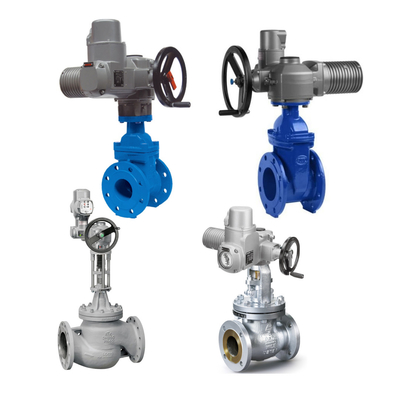
The Rotork IQ3 multi-turn actuator is designed for valves that require multiple rotations of the output drive, such as many gate and globe valve arrangements, subject to the valve's interface and thrust requirements.
The Rotork IQT3 part-turn actuator is intended for valves that operate through a limited angular movement, such as many quarter-turn ball and butterfly valves. The exact actuator variant must match the valve's torque and travel requirements.
| Selection factor |
Rotork IQ3 |
Rotork IQT3 |
| Main movement type |
Multi-turn |
Part-turn |
| Typical valve examples |
Gate and globe valves, depending on design |
Ball and butterfly valves, depending on design |
| Key sizing requirement |
Output torque and, where applicable, thrust |
Output torque across the required travel |
| Installation check |
Stem interface, turns, thrust base and mounting |
Valve mounting, drive interface and angular travel |
| Control options |
Depend on the selected actuator version |
Depend on the selected actuator version |
| Main selection priority |
Multi-turn operation and valve thrust requirements |
Part-turn operation and valve torque requirements |
Rotork's IQT family also includes specialized configurations, so confirm the exact product designation before ordering.
2. Torque, Thrust, and Duty Requirements
Correct sizing is essential for both actuator ranges. For an IQ3 application, engineers may need to evaluate valve stem thrust, torque, operating speed, and the number of turns. For an IQT3 application, the required torque should be checked over the full valve travel, including the torque needed to start movement and achieve reliable seating.
Operating frequency also matters. Isolation duty and modulating duty can impose different thermal and mechanical demands. Verify the actuator's duty rating, permitted starts per hour, power supply, operating time, and control requirements against the actual service conditions.
Do not select an actuator based on nominal valve size alone. Valve design, pressure differential, seat material, process conditions, and operating frequency can all affect the required output.
3. Intelligent Control and Monitoring
Both ranges offer intelligent actuator functions, with features varying by version and configuration. Rotork's IQ3 range includes an onboard data logger and control and monitoring functions intended to support operation and maintenance.
For a new project, confirm whether local controls, remote commands, position indication, communication interfaces, diagnostic data, or hazardous-area certification are required. Do not assume every actuator includes every option as standard.
4. Related Products and Selection Advice
For electric valve automation, the Rotork IQ3 and IQT3 ranges can be evaluated alongside other electric actuator products, including AUMA and Limitorque, where the valve interface and performance requirements match.
Before requesting a quotation, prepare the valve type, required movement, torque or thrust data, number of turns or angular travel, operating time, duty cycle, supply voltage, control signal, mounting standard, and environmental requirements.
Conclusion
Rotork IQ3 and IQT3 serve different valve movement requirements. IQ3 is generally associated with multi-turn operation, while IQT3 is designed for part-turn applications. Confirm the exact actuator variant, output requirements, duty rating, and mounting interface before placing an order.


 Το μήνυμά σας πρέπει να αποτελείται από 20-3.000 χαρακτήρες!